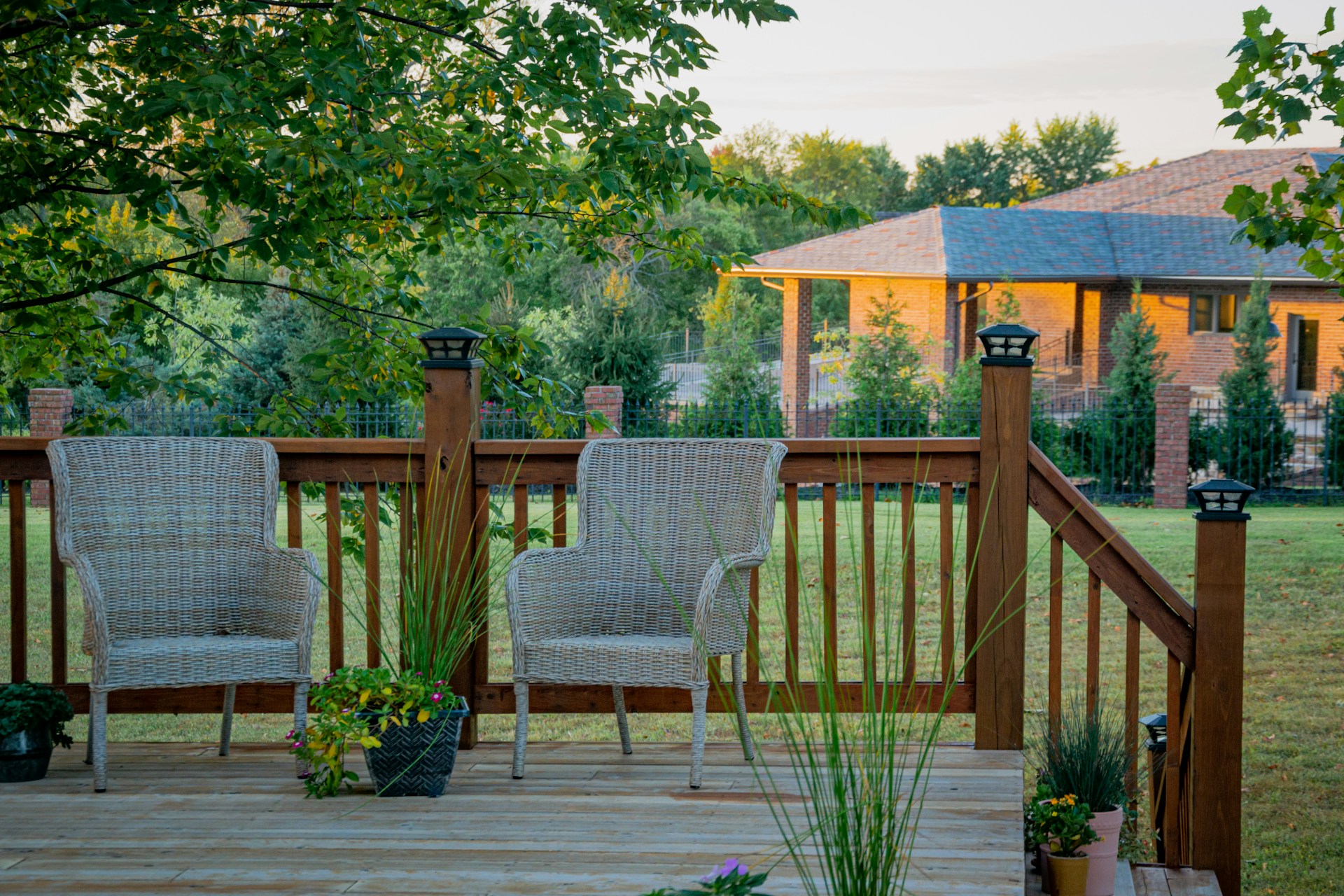
During Pukekohe’s warmer season, outdoor decks become some of the most-used parts of the home. From casual dinners with the whānau to quiet coffee before work, these spaces see it all. But when a deck hasn’t had much attention in years or was built back when the rules were looser, it might not be up to scratch anymore.
A residential building inspection in Pukekohe often identifies deck issues that go unnoticed in everyday use. As part of our professional building inspections and house inspections, decks are assessed by a fully qualified builder with Advanced Trade and National Certificates in Carpentry and nearly 30 years of industry experience. What looks fine on the surface may be hiding serious safety or compliance concerns underneath.
This is particularly important for homeowners arranging a pre purchase house inspection or pre sale house inspection, where deck condition can directly affect the outcome of a building report.
What NZ Building Standards Expect From a Deck
Over time, New Zealand’s building standards for decks have evolved to reflect improved safety requirements. Modern decks must meet strict guidelines, and older structures across Pukekohe, Franklin, and surrounding areas often fall short.
Current expectations typically include:
- Balustrades and railings at compliant heights and securely fixed
- Correct joist spacing to support weight evenly
- Use of treated timber, especially in exposed environments
- Effective drainage around and beneath the deck
- Safe step heights, landings, and access points
During building inspections in Pukekohe, we frequently encounter older decks that would not meet today’s compliance standards. Untreated timber, weak fixings, and poor subfloor ventilation are common findings in properties throughout Tuakau, Waiuku, Clarks Beach, Bombay, and the wider Franklin district. These issues are clearly outlined in your building inspection report, helping homeowners and buyers understand what needs attention.
Wobbly Railings and Lifting Boards: Early Red Flags
Not all deck problems are hidden. Some are visible once you know where to look. Loose or wobbly railings are a clear sign something is not right. Handrails should feel solid under pressure. Lifting boards, protruding nails, or uneven surfaces can also present safety risks.
Auckland’s humid climate and frequent rain accelerate timber movement. As moisture levels rise and fall, timber expands and contracts, which can lead to:
- Soft, spongy, or springy deck boards
- Squeaking or unstable stairs
- Weathered surfaces that become slippery
- Rusting or loosening fixings
Identifying these issues early can prevent more serious structural damage. During a prepurchase home inspection, these signs are carefully assessed to avoid surprises later in the buying process.
Decks Built Before Consent Rules Tightened
Many older homes around Pukekohe and Franklin have decks that were constructed before consent requirements became stricter. In some cases, decks were added without permits or approved plans, which can cause complications during a sale.
Signs your deck may be unconsented or non-compliant include:
- No available consent or council documentation
- DIY-style or unfinished balustrades
- Limited access for inspection underneath the deck
- Visible use of old or untreated timber
A professional building inspection service in Pukekohe can determine whether a deck meets current expectations or sits in a compliance grey area. This is particularly valuable for vendors arranging a pre sale house inspection to address issues before listing.
Subfloor Trouble: What’s Underneath Matters Most
The subfloor area beneath a deck often reveals the most critical problems. Poor ventilation, inadequate drainage, and trapped moisture can lead to rot and long-term structural failure.
Common warning signs include:
- Standing water or muddy runoff beneath the deck
- Discolouration, softness, or fungal growth on support beams
- Soil buildup against timber components
- Sagging or cracking in structural spans
These issues are frequently identified during detailed house inspections in Pukekohe and surrounding areas, particularly before winter when moisture levels rise.
When Aesthetic Fixes Hide Structural Problems
Cosmetic improvements such as staining or repainting can make a deck appear sound while masking deeper issues. During building inspections, it is not uncommon to find:
- Paint concealing cracked or splitting timber
- Sealants trapping moisture below boards
- Boards flipped rather than replaced
- Cladding used to hide subfloor deterioration
While these fixes may improve appearance, they do not resolve structural concerns. Buyers relying on a pre purchase house inspection benefit from having these issues clearly identified in their building report.
Keep Your Outdoor Space Safe and Compliant
A well-built deck should feel secure and dependable year-round. Knowing your deck meets current standards provides peace of mind, whether you are living in the home, preparing to sell, or purchasing a property.
With warmer weather in Pukekohe, now is an ideal time to assess your deck before wetter conditions arrive. Early detection allows for timely repairs and helps maintain safety and compliance.
If you are buying, selling, or maintaining a property in Pukekohe, Tuakau, Waiuku, Clarks Beach, Bombay, or anywhere in Franklin, our experienced team can help. Book a comprehensive pre purchase house inspection or residential building inspection in Pukekohe with Absolute Building Inspections today and receive a clear, detailed building report you can trust.