Understanding Leaky Building Signs in Older Properties
Discover common risks and signs in older homes. Regular building inspections of houses reveal hidden concerns, ensuring peace of mind for homeowners.
06/30/2025
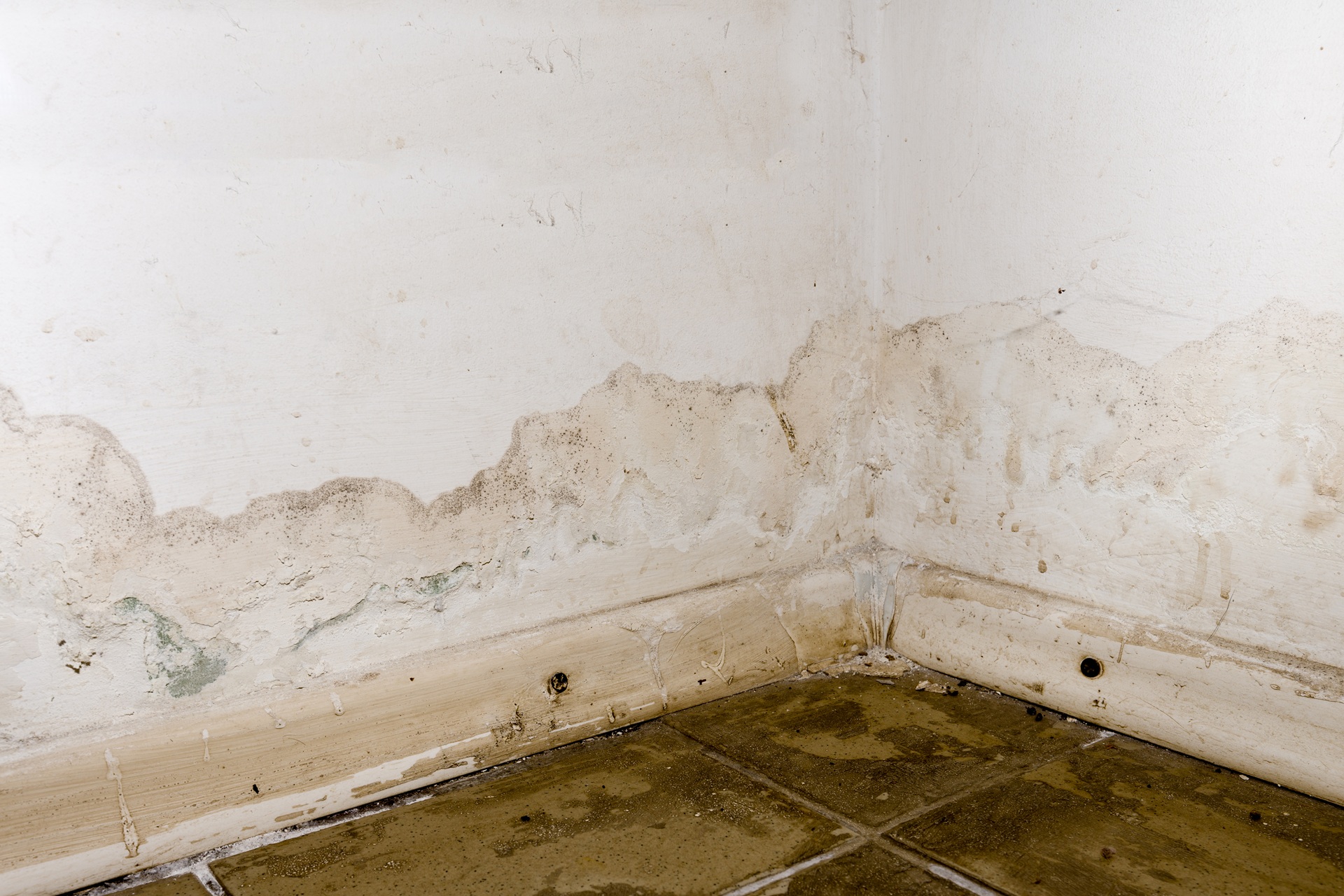
Leaky buildings might not grab your attention right away, but they're a real concern - especially in older homes across areas like Pukekohe and South Auckland. Damp spots, musty smells or bubbling paint might seem minor, but they often point to deeper issues hiding behind the walls. Homes that have been standing for decades may have picked up damage that's not obvious at first glance.
Understanding the early signs and what causes them can save you a lot of stress and money. Whether you're buying, selling, or already living in an older property, a residential building inspection in Pukekohe can help catch leaks before they cause serious damage. The sooner you spot it, the easier it is to fix - and the less it’ll cost.
What Causes Leaky Buildings
Leaky homes often stem from how they were constructed. Some houses built from the late '80s to early 2000s in New Zealand used materials and designs that haven’t stood the test of time. In many older homes throughout Pukekohe, moisture can enter where materials have degraded or where flaws in the design create pathways for water.
Common causes include:
- Outdated cladding systems: Older weatherboards and sheet systems start to break down, letting water sneak in through gaps.
- Flat roofs and hidden gutters: These need expert installation and regular upkeep—poor maintenance can lead to major leaks.
- Damaged or missing flashings: Poorly installed or missing flashings around windows, doors and roofs are easy entry points for water.
- Worn seals: Silicone and putty break down with time, allowing leaks around window and door frames.
- Inadequate ventilation: A lack of airflow causes trapped moisture and mould—especially in colder months.
For example, we recently inspected a 1970s brick-and-tile home in central Pukekohe. Everything looked fine at first glance. But after heavy rain, the owners noticed a musty smell. A proper building inspection service revealed water had been dripping into a wall cavity through a damaged gutter lining, causing hidden moisture damage in the timber framing.
Understanding how water enters a home is the first step to stopping it. Knowing the vulnerable points makes it easier to stay ahead of potential issues.
Signs Your Older Home Might Have a Leak
Leaks can appear suddenly or creep in over time. Knowing what to look for—even if it seems minor—can be the difference between a quick repair and major structural damage.
- Stains on walls or ceilings: Brown or yellow patches often signal leaks from above or within walls.
- Musty smells: A persistent damp odour often means hidden moisture.
- Bubbling or flaky paint: A sign water is trapped underneath, trying to escape.
- Warped floors: Moisture under the floor can make timber swell or sag.
- Mould behind furniture or inside wardrobes: Low airflow zones are perfect places for mould to grow.
- Rust around fittings: Look for rust around nails, curtain rails or fittings—often a moisture red flag.
Water doesn’t always appear where it enters. It can travel along beams, insulation or pipes. That’s why it’s important to work with experienced building inspectors near you who know how to trace the true source of a leak.
Why Building Inspections Are Key
Spotting a leak is one thing. Confirming how serious it is takes experience and professional tools. A detailed building inspection in Pukekohe can identify unseen structural issues or internal moisture before they escalate.
Inspections are vital before buying or selling a home. A prepurchase home inspection gives confidence to both buyers and sellers. It reveals problems early—before they affect sale negotiations or become costly surprises.
Even if you’re not moving, regular checks from a residential building inspector near you can help maintain your home’s value. In wet regions like South Auckland and Franklin, this kind of proactive maintenance is key.
What To Do After Finding Leaks
If you notice signs of a leak, don’t delay. Water damage doesn’t stay put—it spreads.
- Get professional help: A licensed building inspector in Pukekohe can confirm the issue and suggest next steps.
- Carry out repairs promptly: Remove mould, replace water-damaged materials and seal problem areas to stop further damage.
- Stay on top of maintenance: Clear gutters, seal trims, and monitor for subtle changes in smell, dampness or appearance.
- Improve ventilation: Use extractor fans in bathrooms, open windows regularly and keep vents clear to reduce moisture buildup.
In one case near Paerata, peeling paint turned out to be caused by a slow pipe leak. Our Auckland building inspection revealed early timber rot that could’ve become a much bigger issue if left unchecked.
Keeping Your Home Dry and Sound
Owning an older home in Pukekohe or South Auckland means being proactive. That doesn’t mean assuming the worst—but it does mean paying attention to subtle signs. A yearly property inspection near you can catch problems before they turn into emergencies.
Leaks can be quiet and slow-moving. A bit of paint peel, damp air or wardrobe mould could all indicate deeper issues. Don’t ignore them. Acting early could save you thousands down the line. Focus on common trouble spots like cladding joints, tiled bathroom corners, or timber near plumbing.
If you’re seeing any warning signs or just want peace of mind, it’s worth booking a building house inspection. At Absolute Building Inspections, we provide thorough building inspection services across Franklin and South Auckland. Our detailed reports help you make informed decisions and protect your home.