Storm Damage Warning Signs in Pukekohe Buildings
Discover how to spot external and internal storm damage in Pukekohe homes. Protect your investment with a residential building inspection today.
9/28/2025
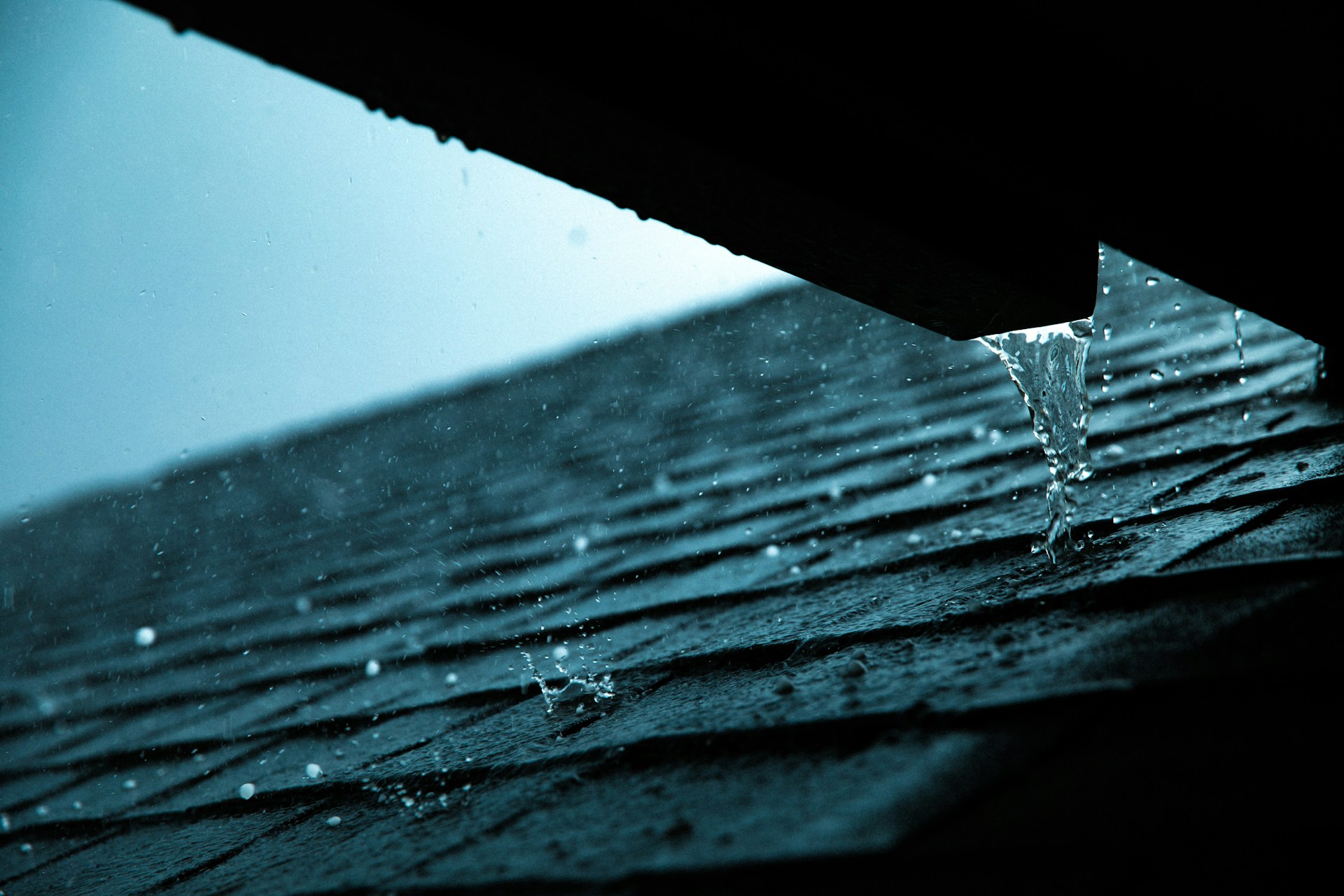
Pukekohe’s location means it gets its fair share of heavy rain, high winds, and shifts in temperature. These weather swings can leave homes vulnerable, especially during stormy winter months. Damage can creep in slowly across the season, affecting parts of your home you may not even think to check.
Coming into spring, it’s a smart time to take a close look around the house. With winter behind us, signs of weather wear and storm impact can start showing up. A residential building inspection in Pukekohe helps uncover hidden problems and gives you a clearer picture of your home’s condition.
External Signs of Storm Damage
The outside of your home takes the biggest hit during a storm. From lashing winds to flying debris and pooling water, your house’s exterior works as a shield. Any breaks in that protection can lead to more serious internal problems.
Here’s what to look for:
- Cracks or chips in walls or cladding: These usually happen when storm debris hits your exterior or when trapped water expands in cold conditions.
- Missing or lifted roof shingles, tiles or iron: Strong wind gusts can loosen or rip away roofing materials without much warning.
- Water streaks or staining near windows and doors: If sealing around the frames has failed, water might be slipping in and leaving marks or softening the surrounding timber.
- Bent or broken spouting and downpipes: Often caused by flying branches or hail, damaged drainage parts can cause water to backup and flood areas it shouldn’t.
- Mud splashes or streaks running down your walls: This usually hints at poor water direction, meaning drainage might be failing and water is running where it shouldn’t.
Some of this damage won’t be visible from the driveway. Take a slow walk around your house and check all sides carefully. If it’s safe, get a better view of your roofline and see if anything looks off. Catching damage early can save you big costs later down the track.
Internal Signs of Storm Damage
Not all damage shows itself on the outside. Sometimes, signs inside your home are your first clue that something’s wrong. After a storm, especially a heavy rainfall, water has a way of sneaking into hidden areas.
Look for these common signs:
- Leaks and water stains on ceilings and walls: Light brown rings or drooping ceiling sheets can hint at roof or wall leaks.
- Damp smells in normally dry rooms: A musty smell might mean damage has already reached insulation or wall linings.
- Mould or mildew: These can show up around skirting boards, in wardrobes, or in corners where airflow is poor.
- Warped flooring or creaky, uneven boards: Moisture in timber causes swelling, which can force floorboards out of shape or make nails push upwards.
- Bubbling or flaking paint: If water gets behind the surface, it causes the paint to lift which is often a sign of trapped moisture.
Let’s say you’ve been away and come home to find ceiling paint starting to peel. While this might seem small at first, it’s often one of the first signs that there’s been a leak. Water damage moves slowly, but it rarely stops on its own. The sooner you address it, the less damage you’ll face in the long run.
Structural Issues to Watch For
Structural damage isn’t always as easy to spot, but it carries a high risk if left alone. After heavy storms, shifts in soil, tree roots, or excess water pooling around foundations can cause parts of your home to move slightly. These changes start small but tend to grow.
Some warning signs include:
- New or growing cracks in foundation walls or slabs: Hairline cracks can be caused by settling, but if they’re new or getting wider, it’s a sign of stress underneath your home.
- Sticking or misaligned doors and windows: If things that used to open easily now jam, it often means the frame has shifted due to movement in the structure.
- Rooflines that look uneven or saggy: This might be a red flag that your roof supports have weakened, possibly due to water buildup or hidden rot.
It’s easy to brush off doors that now need a nudge or windows that won’t sit flush. But if these issues began after a violent storm, they could be telling you something more is going on. Catching these structural changes early makes a big difference.
Steps to Take After Discovering Storm Damage
If you spot any of these signs, even small ones, it pays to act early. Delaying inspections or repairs often leads to bigger jobs and higher costs later.
Start with the basics:
- Take clear photos of the damage. Inside and out. Try to show the size, location, and how it might be spreading.
- Document the timeline. Jot down the last time you checked the area and when you first noticed the issue.
- Don’t assume the visible damage is the full extent. A single paint bubble could mean water has been sitting behind your walls for weeks.
- Avoid temporary repairs unless you really know what you’re doing. Band-aid fixes might hide the problem without solving the cause.
At this point, get in touch with a professional. A detailed inspection doesn’t just confirm if there’s been damage—it helps find out where it started, how serious it is, and what to do next. It also gives you peace of mind knowing someone qualified has looked over the entire property.
Staying Ahead with Regular Inspections
Living in an area like Pukekohe means you’re going to get strong weather systems rolling through a few times a year. Storms can do a number on homes, even when they don’t seem that dramatic. Regular inspections help you catch small issues before they lead to big headaches.
Here’s what regular inspections help with:
- Spot damage soon after it happens, before it causes long-term structural problems.
- Keep your property safer and drier, especially coming out of winter.
- Protect the value of your home or investment by staying on top of needed repairs.
- Offer peace of mind knowing a qualified expert gives your place a clean bill of health.
Spring is ideal for checking in on your home. The tough winter weather is done, and it’s easier to spot trouble while addressing it before summer. Your house has probably been through a lot while the heaters were on and the rain came in sideways. Now’s your chance to step in and get a clear picture of how it held up.
From missed roof damage to creeping damp spots, storms leave behind marks—some visible, some hidden. Catching them now helps avoid panic repairs later. Whether you live in the home or rent it out, staying one step ahead keeps things in good shape and gives you one less thing to worry about.
If you've noticed signs of wear after strong weather or just want peace of mind going into the next season, book a residential building inspection in Pukekohe. At Absolute Building Inspections, we’ll help you catch minor issues before they grow and make sure your home stays safe, dry, and in great shape all year round.