Signs of Poor Insulation in Residential Buildings
Discover how a building inspection can uncover insulation issues, save energy, and boost comfort in your Pukekohe home year-round.
10/19/2025
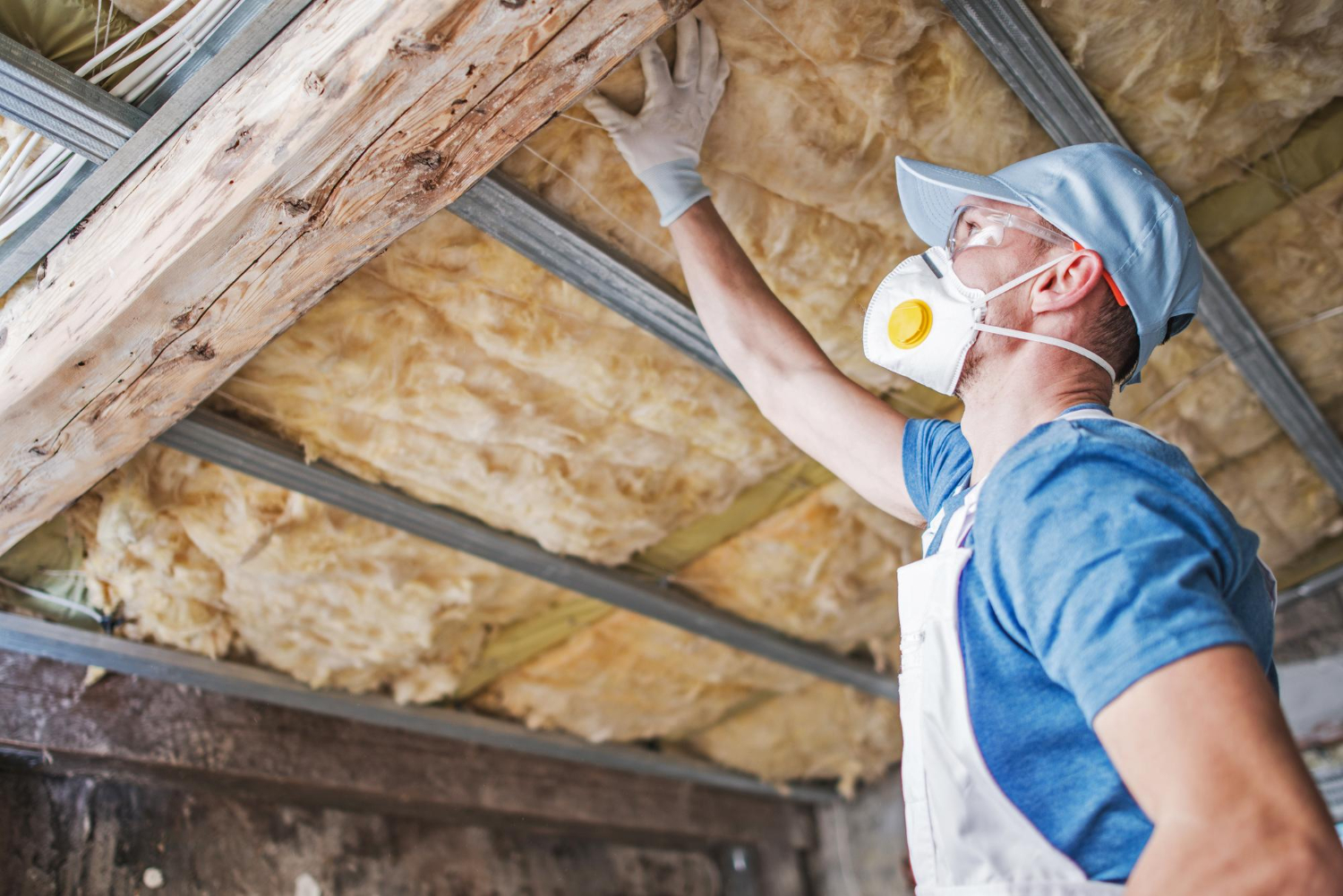
Insulation is one of those things in a home that’s easy to overlook because you can’t see it. But when it’s doing a poor job, you feel the effect pretty quickly. Whether it's freezing in one room and boiling in another or you're constantly adjusting the thermostat, poor insulation has a way of making its presence known. In places like Pukekohe and South Auckland, where temperatures can shift throughout the year, having a well-insulated house makes a big difference to your everyday comfort and what you pay on your energy bills.
Most homeowners don’t think about insulation until they start noticing cold spots or a heater that never seems to turn off. At that point, it’s not just about comfort. Poor insulation can lead to bigger issues like dampness, condensation, and even damage inside your walls. If you’re unsure whether your home is insulated properly, a building inspection can help identify the problem early and save you time, stress, and repair costs later on.
Common Signs Of Poor Insulation
There are a few clear warning signs that point to poor insulation, especially in residential buildings in Pukekohe. Some are easy to spot while others may require a trained building inspector in Pukekohe to confirm, but noticing them early can help you avoid bigger problems.
- Uneven temperatures: If one part of your home feels noticeably colder or hotter than other rooms, there's probably poor insulation in the walls or ceiling of that area. This happens a lot in rooms above garages or in parts of the house that get less sun.
- High energy bills: If your power bill seems strangely high, poor insulation might be making your heating or cooling system work overtime. You shouldn’t have to blast your heater in spring or run the AC around the clock in summer.
- Drafts: Feel a chill near doors or windows, even when everything’s shut? Drafts can come from poor seals, gaps in insulation, or both.
- Window condensation: When warm air hits a cold surface, it forms moisture. If you often see wet windows on cold mornings, it might be a sign the insulation isn’t doing its job. Over time, this moisture can lead to mould or mildew, especially in corners or poorly ventilated rooms.
Some homes, especially older ones, were built before insulation standards improved. Others may have insulation that’s worn out or wasn’t installed properly in the first place. One homeowner in Pukekohe shared how their heat pump never seemed to keep up, and it turned out they had hardly any insulation in their roof cavity. Once the issue was found and sorted, the heating worked far better and the house felt more comfortable almost straightaway.
If you're experiencing any of these problems, it’s worth getting your insulation checked. Sometimes it's as simple as a missing section. Other times, it’s more widespread. Either way, ignoring it usually means living with discomfort and higher bills. Better to catch it early with a building inspection service in Pukekohe than wait for damage or mould to show up down the line.
Impact Of Poor Insulation On Your Home
Poor insulation doesn’t just make your home uncomfortable. It can have wider effects that many homeowners don’t think about right away. One of the most noticeable issues is how much harder your heating or cooling system needs to run just to maintain a steady indoor temperature. Over time, that leads to wear and tear on your HVAC system and bigger power bills landing in your inbox.
Living in a house with poor insulation often means putting up with air that feels damp or heavy. That’s because poor insulation can cause a build-up of condensation, especially in corners, closets, and older parts of the home. Where there’s moisture, there’s often mould. That spells trouble for walls, ceilings, and even carpets, not to mention your indoor air quality.
- Higher heating and cooling bills every season
- Rooms that feel cold, even with the heater running
- Mould or mildew in areas where damp builds up
- HVAC equipment breaking down sooner than expected
In areas like Pukekohe and Franklin where humidity and temperature fluctuations are common, these problems tend to show up more clearly. A poorly insulated roof, for instance, won’t stop moisture from gathering, which means mould becomes harder to manage. What starts as a bit of condensation on the windows can end up being a full-scale problem behind the paint or under the floors. These are more than just small discomforts — they affect how your home ages, and your family's overall comfort too.
How A Building Inspection Can Help Identify Insulation Issues
Spotting insulation problems isn’t always easy without looking inside the structure of your home. A professional building inspection in Pukekohe can identify issues that most people wouldn’t catch on their own. It’s not just about walking around and checking behind curtains. Experienced inspectors use advanced tools and techniques to locate insulation gaps, weak spots, or even areas where materials have completely broken down.
What a Building Inspection Might Include:
- Thermal imaging: These cameras show heat loss around windows, doors, and through the roof. If your insulation isn’t working as it should, cold air sneaks in and warm air escapes. A thermal scan makes that obvious.
- Insulation checks: The inspector can access your ceiling cavity and walls (where possible) to evaluate insulation levels and whether it’s packed properly or slumped over time.
- Window and door assessments: Bad seals let in cold air and release warm air. An inspection highlights where those seals are failing.
- Action tips: After the inspection, you’ll get clear advice on how to fix insulation issues. Sometimes it’s just one bad spot, other times multiple updates are needed to restore comfort throughout your home.
One example from a residential building inspection in Pukekohe involved a home that felt cold no matter how long the heat pump ran. During the inspection, it was found that the entire south-facing wall had no insulation at all. Once that was identified, it became far easier and cheaper to fix the problem — instead of wasting money on new heaters or appliances.
Building inspections aren’t just for finding problems. They’re a smart way to plan long-term comfort, energy efficiency, and peace of mind.
Better Insulation Means a Better Home
Good insulation isn’t something you notice every day, and that’s the whole point. When it’s working well, your home maintains a stable temperature, the air feels fresh, and your heating or cooling doesn’t need to overwork. Whether you’re dealing with temperature swings or moisture build-up, insulation might be the missing link.
If you spot the signs early and get your insulation checked through a pre-purchase home inspection or general building inspection service near Pukekohe, you’re one step ahead. It’s easy to keep putting it off, especially when the discomfort comes and goes — but leaving insulation issues unchecked almost always ends in higher costs and bigger repairs later.
Fixing the hidden parts of your home might not feel exciting, but it’s one of the biggest steps you can take to protect your investment and improve comfort year-round. For Pukekohe and South Auckland homes, where the weather shifts often, knowing your insulation status means fewer surprises when the next season rolls around.
If you're noticing uneven temperatures or rising power bills, it might be time for a closer look. A professional building inspector in Pukekohe can identify hidden insulation issues before they become expensive repairs. Absolute Building Inspections provides affordable building inspection services across Franklin and South Auckland to help keep your home comfortable and energy-efficient all year round.