Why Partial Building Inspections Can Cost You Dearly in Pukekohe
What can a building inspection in Pukekohe miss with partial checks? Learn moisture limits, roof and subfloor access gaps and when to get specialist reports.
19/06/2026
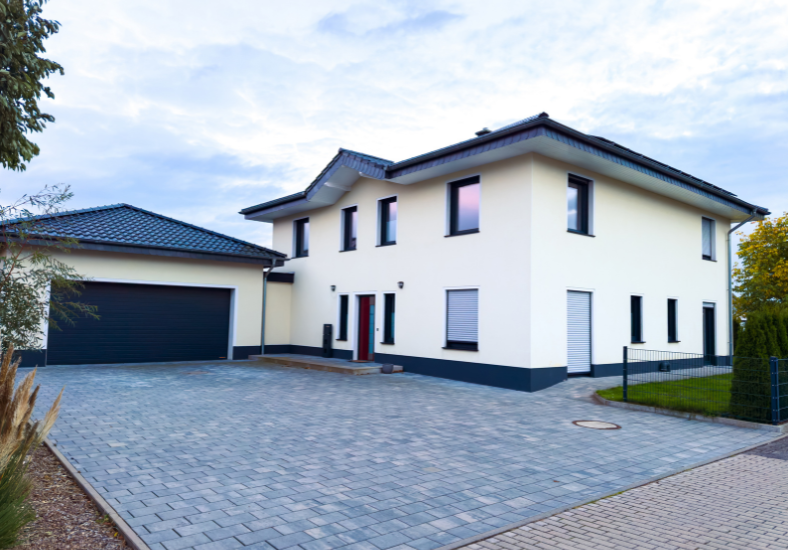
Buying or selling a home in Pukekohe and wider Franklin can move fast, and it is tempting to choose a cheaper, quicker building check to keep things moving. Many people now pick a basic, non-invasive inspection so they can tick the box for due diligence without slowing down negotiations.
A standard non-invasive building inspection in Pukekohe is mainly visual. We look at what we can safely see and touch. We do not cut into linings, lift tiles, remove cladding, or drill small holes for targeted checks. This is very different from a full invasive or specialist assessment, where parts of the building can be opened up in a controlled way.
The risk is that a limited inspection may miss the very problems that cause the biggest headaches. Across Pukekohe, Tuakau, Waiuku, Clarks Beach, Bombay and wider Franklin, many homes are older or have high-risk features like monolithic plaster cladding, internal gutters, or flat roofs. These designs can hide leaks and decay inside walls and roof spaces long before anything shows on the surface.
As Licensed Building Practitioners, we understand exactly where a non-invasive inspection stops. Our job is not just to record what we see, but also to warn you when the signs suggest that you should step up to a more detailed specialist report before you commit. That guidance is clearly set out in your building report.
What Non-Invasive Moisture Testing Really Tells You in a Pukekohe House Inspection
Non-invasive moisture meters are useful tools, but they have limits. These meters read surface moisture or electrical resistance without breaking the lining. In a typical house inspection in Pukekohe, we can test areas like:
- Around window and door joinery
- At skirting boards and wall bases
- In bathrooms and laundries
- On internal faces of external walls
These readings give indicators, not final answers. A higher reading tells us that an area may be wet or has been wet — it does not tell us exactly where the water is coming from or how far the damage goes inside the wall.
There are many places moisture can hide that non-invasive checks may not pick up, such as:
- Behind waterproof linings in showers and wet rooms
- Within wall cavities under plaster or monolithic cladding
- Under tiled decks, balconies and balustrade fixings
- Around roof junctions, parapets and internal gutters
Homes from the leaky home era or higher-risk designs are especially prone to these hidden issues. Pukekohe and Franklin's damp winters and coastal conditions near Clarks Beach also play a part. Cold outside air, warm indoor air and poor ventilation can create surface condensation and mould — pushing readings up on the inside face of walls even when the main problem is actually elsewhere.
Specialist moisture or weathertightness reports are usually worth commissioning when:
- Readings are consistently elevated in key spots
- We see moisture patterns at junctions, corners or window heads
- There is a known history of leaks or past repairs
- The cladding type or design is known to be higher risk
- A vendor, lender or insurer wants invasive confirmation
In these cases, limiting checks to non-invasive testing alone can leave you with unanswered questions that only show up after you move in — which is exactly what a thorough pre-purchase house inspection is designed to help you avoid.
Roof Space and Subfloor Limits That Hide Serious Problems in Franklin Homes
A standard building inspection covers all safely accessible roof space and subfloor areas. At a roof manhole, we look at framing, insulation, signs of leaks, ventilation and any visible plumbing or wiring. Under the floor, if there is enough clearance, we check joists, bearers, piles, ventilation and ground condition.
There are common limits to this. We cannot enter:
- Very tight roof spaces where there is no safe footing
- Subfloors with low clearance or standing water
- Areas blocked by stored items, ducting or building materials
- Spaces with clear health and safety concerns, such as vermin, exposed live wiring or suspected asbestos
Just beyond those limits, serious problems can be hiding. These might include:
- Borer in framing that is not visible from the manhole
- Rotten or sagging floor joists in tight corners
- Leaking flashings or decayed rafters near eaves
- Poorly vented roof spaces leading to condensation damage
- Plumbing leaks running on top of ceilings that have not yet stained through
Clues on accessible surfaces often alert us to what might be going on out of sight. You should consider further investigation when we note things like:
- Sagging ceilings or roof lines
- Musty or damp odours from roof or subfloor
- Localised dampness or staining on linings
- Uneven or bouncy floors
- Visible corrosion to fixings or structural steel
In those situations, a more invasive inspection by a Licensed Building Practitioner or a structural engineer may be the safest way to understand the true condition of the building. If you are a seller, a pre-sale house inspection that flags these areas early gives you time to investigate and address them before buyers raise the same concerns.
Thermal Imaging in Pukekohe House Inspections: Powerful Tool, Not a Crystal Ball
Thermal imaging cameras read surface temperature differences and turn them into coloured images. Cold patches, hot spots or thermal patterns can point to possible moisture, missing insulation or air leaks. This tool can add real value to a building inspection in Pukekohe, but it has to be read with care.
Thermal cameras do not see through walls — they only show temperature changes on the surface. Those changes can be caused by many things, such as a recent shower, a sunny afternoon heating one side of the house, or a heat pump blasting warm air into a room.
In Pukekohe and Franklin homes, thermal imaging can give false positives and false negatives:
- A cold patch may be from a draught, not a leak
- A wet area can blend in if the temperature difference is small
- Recent heater or underfloor heating use can mask issues
- Mild weather can reduce the contrast needed to see patterns clearly
Winter use of heat pumps, partial insulation upgrades and different wall types all make readings more complex. That is why thermal images must be interpreted by someone who understands local building methods and common failure points in homes across Tuakau, Waiuku, Bombay and wider Franklin.
A dedicated thermal imaging or weathertightness report is often sensible when:
- The home has complex cladding systems or parapets
- There are suspected roof or deck leaks that are hard to trace
- You feel unexplained cold spots or draughts
- You want extra comfort beyond a standard pre-purchase house inspection
Thermal imaging is a strong support tool, but it is not proof on its own — it usually needs to be combined with moisture testing and sometimes invasive checks.
When to Step Up to Specialist Reports After a Building Inspection in Pukekohe
Not every property needs invasive testing. But some homes in Pukekohe, Clarks Beach and across Franklin are simply too high risk for a basic, non-invasive inspection to give enough confidence. You should strongly consider specialist reports if the property has:
- Plaster or monolithic cladding
- Complex or multi-level design with many junctions and balconies
- Internal gutters, flat or low-pitched roofs
- A known history of leaks or weathertightness repairs
- Very exposed coastal or hilltop locations
Common specialist options include:
- Invasive moisture testing through linings in key risk areas
- Full weathertightness assessments of cladding and junctions
- Structural engineering reviews of framing or foundations
- Roofing reports for complex or older roofs
- Drainage or CCTV inspections for stormwater and sewer issues
- Targeted destructive testing where serious damage is suspected
There is always a trade-off. Allowing small, controlled invasive tests may feel uncomfortable during a sale process, but it can protect both buyer and seller from far bigger surprises later — such as recladding, structural repairs or major remediation.
In most cases, invasive checks are focused and tidy. Small holes are drilled or small sections of lining are removed in agreed spots, then made good afterwards. Where work might affect building performance or weathertightness, council consent or further documentation can be required under New Zealand rules, and this should be discussed before any major opening up is done.
How to Choose the Right Level of Building Inspection in Pukekohe and Franklin
Choosing the right scope for a building inspection in Pukekohe comes down to matching the property and your risk tolerance. As a simple guide, think about:
- Age of the home: older or leaky-era homes call for more care
- Cladding type: plaster and complex systems are higher risk
- Design complexity: more junctions and levels mean more weak points
- Location: exposed coastal sites like Clarks Beach or very shaded sites often perform worse
- Your plans: long-term hold, rental or renovation may need deeper checks
It also helps to be open with your inspector. Share any known leaks, repairs or renovation history. Talk through areas that worry you, such as decks, parapets or internal gutters. From there, a thorough non-invasive inspection can be a strong first step, backed by clear advice on whether moisture testing, thermal imaging, roofing checks or invasive specialist assessments are worth doing before you go unconditional or put your home on the market.
At Absolute Building Inspections, we focus on giving clear information about what a partial or non-invasive inspection can and cannot tell you. Our role is to help you choose the right level of building inspection service for your Pukekohe or Franklin property — so you can move ahead with your next step with greater confidence.
Book a Building Inspection in Pukekohe Today
If you are planning to buy or sell, now is the ideal time to book a professional building inspection in Pukekohe with Absolute Building Inspections. We provide clear, detailed building reports so you can make confident decisions and avoid unexpected costs.
Whether you need a pre-purchase house inspection, a pre-sale house inspection, or general house inspections across Tuakau, Waiuku, Clarks Beach, Bombay or wider Franklin, our team is ready to help. To arrange an inspection or ask a question, contact us today and we will be in touch promptly.