Why Your Pukekohe Building Report Findings Are Not All Equal
Learn which issues in a building inspection in Pukekohe are deal breakers, what you can negotiate and when to book specialist follow-ups before you buy.
30/07/2026
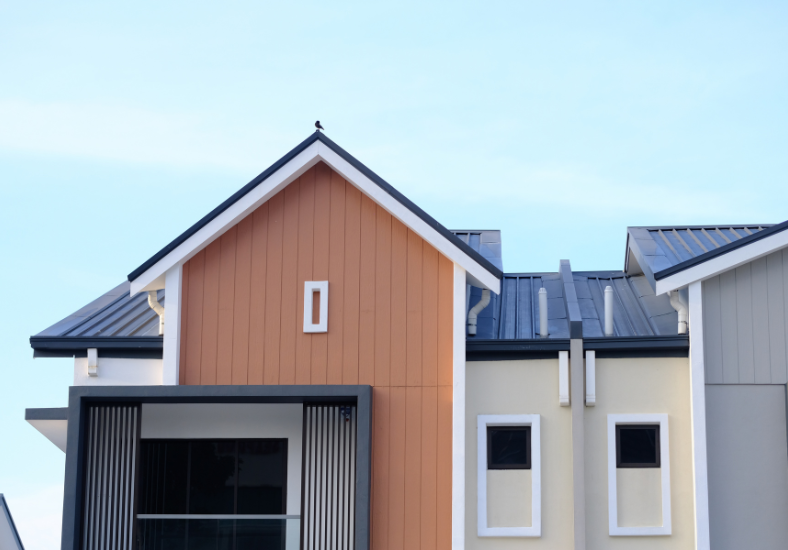
Buying or selling a house is already stressful. Add a thick building report on top, and it can feel like bad news on every page. The truth is, not every finding carries the same weight. Some items are serious red flags, some affect price, and a lot are simply routine maintenance.
A standard building inspection in Pukekohe will usually cover the structure, exterior cladding, roof, joinery, interior, moisture readings, plumbing, drainage and general maintenance. On any home, even a near-new one, we expect to find defects. The key is knowing which ones change your decision and which ones just help you plan ahead.
Pukekohe has a wide mix of homes — older weatherboard properties, 1990s and 2000s monolithic cladding homes, and newer builds across Franklin, Tuakau, Waiuku, Clarks Beach and Bombay. Each type has its own risk profile, especially around structure and weathertightness. As local Licensed Building Practitioners, we see the same patterns come up again and again — and our job is to explain what matters most, in plain English.
High-Risk Red Flags in a Pukekohe Building Inspection That Deserve Serious Caution
Some issues in a building report are more than wear and tear. They can affect safety, insurability and resale. These are the ones that deserve the most attention.
Structural Movement and Foundation Problems
These often show as:
- Significant cracking in foundations or brick veneer
- Uneven or sloping floors
- Doors and windows that jam or catch
- Bouncy or springy floors that feel unstable
These can point to past subsidence, poor ground conditions or failing piles — particularly common on Franklin's clay-based soils. In cases like this it is wise to get a structural engineer to review the problem, check council records for historic ground or retaining wall issues, and talk to your lawyer and lender before going unconditional.
Major Water Ingress and Weathertightness Failures
Signs can include:
- Very high moisture readings in wall framing or around windows
- Swollen or soft skirting boards and window sills
- Musty or mouldy odours, stained ceilings or visible leaks
- Monolithic cladding with minimal eaves, flat tops and poor flashing details
New Zealand has a history of leaky building issues, and repairs like re-cladding or partial rebuilds can be significant. When a building report highlights this level of concern, consider a specialist weathertightness assessor, detailed builder quotes and legal advice — especially if past claims or unconsented repairs are suspected.
Serious Safety and Compliance Problems
Non-compliant electrical work, missing or unsafe balustrades, failing decks, unsafe fireplaces or evidence of major unconsented alterations can raise insurance and mortgage questions and may need council sign-off. Follow-up with qualified trades and council enquiries is essential before you lock in a purchase.
Common but Negotiable Issues in Pukekohe House Inspections You Can Use in Price Talks
Once you put the big red flags to one side, many building report items fall into the negotiable bucket. They are not ideal, but they are not reasons to panic either.
Age-related wear and tear is completely normal, especially in older Pukekohe and Franklin homes. Common examples include worn roof coatings or lichen growth on tiles, faded or flaking exterior paint, minor rot in bargeboards or window sills, and older fittings that still work but look dated. These items are often good grounds for price discussions rather than walking away.
Moderate moisture and ventilation concerns also sit in this middle zone. Typical findings are slightly elevated moisture readings near bathrooms or doors, condensation on windows in winter, dampness under floors or in some subfloor areas, and limited underfloor or roof space ventilation. These issues are usually manageable with better extraction, drainage tweaks, vapour barriers or added vents. A good house inspection report will make clear whether moisture is affecting structure or whether it is more of a comfort and maintenance issue.
Older but serviceable systems — like original 1990s kitchens, dated bathrooms, older hot water cylinders or single-glazed aluminium joinery — may not be what you would install today, but they often still comply and function. Many buyers use these findings to sharpen their offer and plan staged upgrades rather than treating them as faults.
Building Report Findings That Need Specialist Follow-Ups, Not Panic
Some report comments sound alarming at first, but what they really need is a calm, step-by-step follow-up.
Suspected meth contamination is a good example. Visual clues are not enough — proper meth screening is the right next step. In New Zealand, professional testers take samples and compare results to guideline thresholds. A positive screening does not always mean you must walk away. It might mean detailed testing, remediation quotes and fresh negotiations, depending on your risk comfort and lender requirements.
Roofing, cladding and drainage concerns can also be complex. An inspector might note an ageing but not yet failed roof, marginal gutters or complex roof profiles. Given Pukekohe's heavy rain and wind, it is smart to get a roofing contractor to assess life expectancy, a drainlayer to check stormwater performance, and a cladding specialist to comment on weathertightness.
Unconsented work is another common follow-up item across Tuakau, Waiuku, Bombay and wider Franklin. Many homes have enclosed decks, converted garages, extra rooms or changed layouts. When this appears in a report, the usual steps are: ordering and reading the LIM and council property file, comparing what is built to what was consented, and talking with a planning or building professional about options like certificates of acceptance. An inspector flags the risk — your lawyer and council help you understand the path forward.
Making Sense of Your Pukekohe Building Inspection Report and Your Next Move
Once you have your building inspection report, the real value comes from how you use it. A helpful way to sort the findings is to create three lists:
- Critical red flags — structure, major moisture, safety and compliance
- Negotiable items — maintenance, repairs and near-term upgrades
- Minor tasks — cosmetic tidy-ups and longer-term improvements
For buyers, the report becomes a tool in negotiations and planning. You can back up conditional offers with quotes and expert opinions. For sellers, a pre-sale house inspection can reduce surprises, help you fix key issues early and give buyers more confidence — which often leads to smoother contracts and fewer last-minute renegotiations.
Used well, your building report is more than a one-off hurdle. It can be a maintenance roadmap for the next five to ten years — helping you care for your Pukekohe or Franklin home in a logical, cost-effective order.
Book a Building Inspection in Pukekohe Today
If you are planning to buy or sell, now is the ideal time to book a comprehensive building inspection in Pukekohe with Absolute Building Inspections. We provide clear, detailed building reports so you can make confident decisions and avoid costly surprises.
Whether you need a pre-purchase house inspection, a pre-sale house inspection, or general house inspections across Tuakau, Waiuku, Clarks Beach, Bombay or wider Franklin, our team is ready to help. To discuss your property or arrange an inspection, contact us today.