Clean Report? When to Get a Second Building Inspection in Pukekohe
Wondering if a clean report missed issues? Learn when to seek a second building inspection in Pukekohe and protect your home purchase with confidence.
07/02/2026
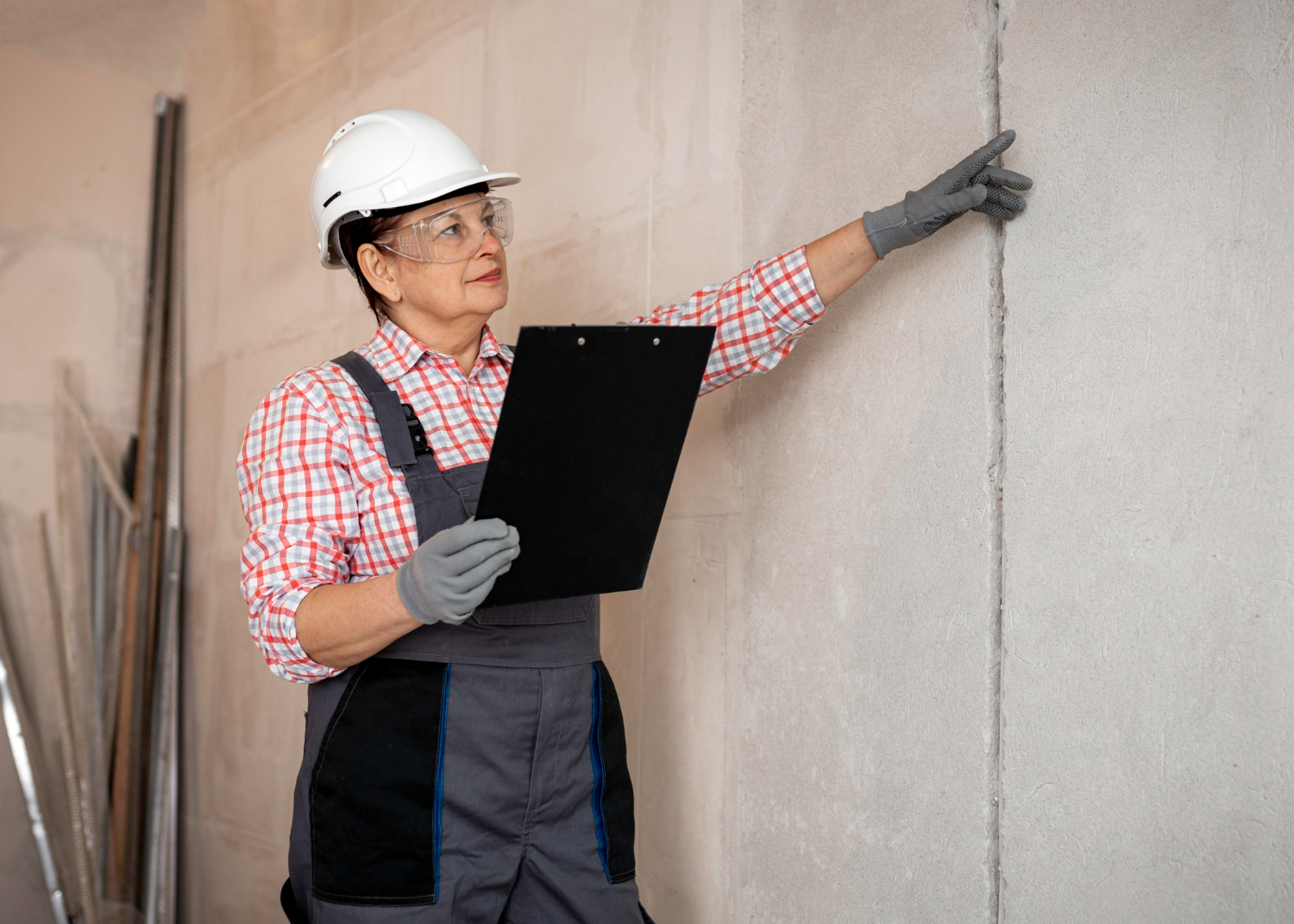
When a Clean Report Still Raises Red Flags
A clean building report should feel like a green light. Yet many buyers still get a nagging feeling that something has been missed, especially when the property is older or has parts they did not get a good look at. In a fast market across Pukekohe, Auckland and North Waikato, it is common for conditions to be short and decisions to be rushed, which can leave you wondering how thorough that first inspection really was.
That is where a second opinion can help. A follow-up building inspection in Pukekohe is not about being fussy; it is about making sure the home really matches the picture on paper. Mid-winter in New Zealand, especially July, often brings cold, wet weather that can reveal leaks, dampness and condensation that might not show up in a quick, basic check. In this article we explain why some clean reports miss important issues, the warning signs to look for, and when a second, independent inspection can protect your investment. We also share how we at Absolute Building Inspections approach detailed checks, moisture and leak detection, and meth screening so you can move forward with more confidence.
Why Some Clean Reports Miss Critical Issues
Not all building inspections are carried out to the same depth. Some are little more than a walk-through with a clipboard, while others follow detailed New Zealand standards and use tools and access areas that give a much clearer picture of a home.
A quick visual inspection might skip things like:
- Moisture meter testing around windows, doors and wet areas
- Thermal imaging to pick up cold spots that can hint at hidden leaks
- Careful checks in the roof space, under floors and behind insulation where possible
- Close inspection of cladding junctions, flashings and window details
Many buyers are given generic, tick-box style reports that look tidy but say very little about the specific house in front of them. These may be offered as cheap add-ons and are often not suited to older homes, or properties with monolithic or plaster-style cladding that are more sensitive to water entry. In parts of Auckland and Coromandel, these types of homes are common, and they really need a more detailed, targeted approach.
Time pressure also plays a big part. In a hot market, inspectors can be pushed to cover several properties in a day, which can lead to:
- Shorter inspection times
- Less time spent in harder-to-access spaces
- Less attention on subtle signs, like faint moisture staining or early rot
- Less detailed written comments and fewer photos
Another point to remember is who the report was written for. Some reports are ordered by vendors. While they can still be honest, they may be softer on marginal issues or future risks. A buyer-focused inspection, carried out by an independent specialist who understands New Zealand building methods and climate, puts your interests first and is more likely to highlight issues that may affect your plans.
Warning Signs Your Report Needs a Second Look
You do not need to be a builder to spot clues that your current report might be too thin. There are some common red flags that suggest it is worth asking more questions.
Watch for language that feels vague or repetitive, such as:
- “Appears fine at time of inspection” without any measurements or photos
- “No issues visible” used in many sections with no extra comment
- Cut-and-paste style wording that looks the same for different areas
Also pay attention to what is missing. Some gaps that should ring alarm bells are:
- No mention of roof space access, or a very brief note with no photos
- Little or no detail on decks, balconies or steps, which often leak if not built well
- Very short comments on bathrooms, laundries and kitchens where plumbing issues can hide
- No clear identification of the cladding type or any comment on weathertightness risks
In mid-winter conditions, a New Zealand building inspection should usually say something about moisture, condensation and ventilation. If the report does not cover these at all, or only brushes past them, it is fair to question how carefully those aspects were checked.
A good next step is to sit down with the report and compare it with:
- The age and style of the property
- What you saw and smelled at open homes, like musty odours or visible cracking
- Any comments from your solicitor or builder friends
If there are gaps where you expected more detail, or the tone of the report does not match what you noticed yourself, then a second, independent building inspection in Pukekohe can give you the depth that is missing.
When a Second Building Inspection Is Essential
There are some situations where we strongly suggest having another inspection done, even if the first report looks clean.
These include:
- Older villas and bungalows with timber piles and original framing
- Homes with any history of leaks or weathertightness repairs
- Properties with monolithic or plaster-style cladding
- Houses with obvious additions, complex renovations or layouts that do not quite match council records
- Rural or lifestyle blocks where drainage, retaining walls and outbuildings matter just as much as the main dwelling
You should also give extra weight to your own instincts and the advice of other professionals. If your solicitor mentions unconsented work, or a builder friend points out cracking, sloping floors or soft weatherboards that the report barely touched on, it is wise to get another opinion.
High-stakes purchases are another key time to double-check. For example:
- First-home buyers who cannot afford major repair surprises
- Investors whose rental income depends on the property being sound
- Families planning to stay long term, who need the home to be warm, dry and safe
Winter conditions across Pukekohe, Auckland and North Waikato can actually work in your favour here. Wet ground, full gutters and active rain can show:
- Current roof or flashing leaks
- Dampness under floors and in subfloor spaces
- Drainage issues around foundations and retaining walls
- Condensation problems that hint at poor insulation or ventilation
A second inspection is not about assuming the first inspector did a bad job. It is about matching the level of checking to the level of risk and cost involved in your particular property.
How Absolute Building Inspections Provides Clarity
As a Pukekohe-based specialist, we focus on detailed, independent inspections for buyers and sellers across Auckland, Coromandel and North Waikato. Our building inspections cover both the inside and outside of the property as access allows, including roof spaces and underfloor areas where we can safely enter. We look for signs of leaks, rot, structural movement and poor workmanship, and we use moisture testing to support what we see with our eyes.
Local knowledge makes a big difference. We are familiar with:
- Common cladding systems used in different suburbs and time periods
- Typical issues in older weatherboard and brick homes
- How local soil and drainage conditions can affect foundations and subfloors
- The way New Zealand’s damp winters impact framing, insulation and finishes
Our reports are designed to be clear, not confusing. Rather than just saying pass or fail, we explain what we have found in plain English, point out risks and likely maintenance needs, and suggest when you should get further advice from other specialists such as plumbers, roofers or engineers.
We can also include meth screening and more targeted moisture investigations if you have specific concerns that were not covered in your first report. This is often helpful where there is a history of leaks, or if you are particularly worried about indoor air quality and hidden damage.
By taking the time to check the hard-to-reach areas and backing up findings with photos, our goal is to give you enough detail to decide whether to proceed, try to renegotiate, or walk away before you commit.
Take Control of Your Next Property Decision
A clean building report is a good starting point, but it is not a guarantee that everything is perfect. Your peace of mind matters, and a second, more detailed building inspection in Pukekohe can be a smart step when the property is older, complex or simply does not feel quite right.
Treat inspections as an investment in your future home rather than a tick-box task to get through. New Zealand homes can hide moisture and structural issues that are expensive to put right, and councils expect proper consents and sign-offs for work done. Taking the time now to review your existing report, write down your doubts and arrange an independent second look before you go unconditional can save you a lot of stress and cost later.
At Absolute Building Inspections, we believe asking extra questions before you buy is a sign of strength, not worry. With thorough, local-inspection support, you can make clearer choices and move forward knowing you have done your homework.
Protect Your Pukekohe Property With Expert Inspection Today
If you are planning to buy or sell in Pukekohe, we can help you move forward with confidence. At Absolute Building Inspections, our detailed building inspection in Pukekohe gives you a clear picture of your property’s true condition before you commit. Tell us about your plans and we will recommend the most suitable inspection option for your situation. To book an inspection or ask a question, simply contact us.